-
Shop
- Advanced Technologies
- Auto
- Bags
- Bathroom
- Best Sellers
- Bottoms
- Car Accessories
- Christmas Collection
- Clothing & Accessories
- Costumes & Accessories
- Dating & Social Confidence
- Dating & Social Skills
- Digital-Resources
- AI Skills
- Budgeting & Saving
- Car Buying & Ownership
- Cozy Feast Collection
- Emotional Intelligence
- Entrepreneurship & Business Growth
- Financial Education
- Financial Independence
- Financial Mindset & Psychology
- Goal Setting
- Home Styling & Organization
- Leadership
- Mindfulness
- Mindset
- Motivation
- Nutrition & Healthy Eating
- Parenting & Child Development
- Pet Lifestyle & Wellness
- Positive Thinking
- Productivity
- Self Confidence
- Sleep Improvement
- Stress Management & Relaxation
- Travel Planning
- Yoga & Mind-Body Practices
- DIY Kits
- Dresses
- Education & Learning
- Family & Parenting
- Fashion
- Fashion Accessories
- Fitness & Yoga Guides
- Furniture
- Gadgets
- Halloween
- Halloween Guides & Inspiration
- Haunted Candles
- Health & Beauty
- Home & Garden
- Home Supplies
- Independence Day Baby Products
- Independence Day Indoor Decor
- Independence Day Outdoor Decor
- Independence Day Pet Products
- Kids & Babies
- Kids & Babies
- Kitchen
- Lighting
- Parenting Guides Collection
- Party Supplies
- Patio, Lawn & Garden
- Personal Growth
- Pet Care
- Pet Supplies
- Pets
- Phone Cases
- Road Trip Accessories
- Scary Masks
- Shoes
- Skirts
- Spooky Glasses
- Spooky Tableware
- Sport
- Sport & Outdoors
- Storage & Organization
- Super Deals
- Swimwear
- Thanksgiving Digital Collection
- AI & Tech-Enhanced Thanksgiving
- Budgeting & Smart Shopping
- Eco-Friendly & Sustainable Thanksgiving
- Family & Kids
- Gift Ideas Guides
- Gratitude & Mindfulness
- History & Meaning
- Hosting & Planning
- Leftovers & Storage
- Pets & Thanksgiving
- Social Media Captions & Ideas
- Thanksgiving DIY Ideas
- Thanksgiving Recipes
- Thanksgiving Products
- Tools & Equipment
- Tops & Shirts
- Travel
- Wealth
- Women’s Wellness & Lifestyle
- YouTube Shorts Best-Sellers
Why a Secure Checkout Shopping Website Matters
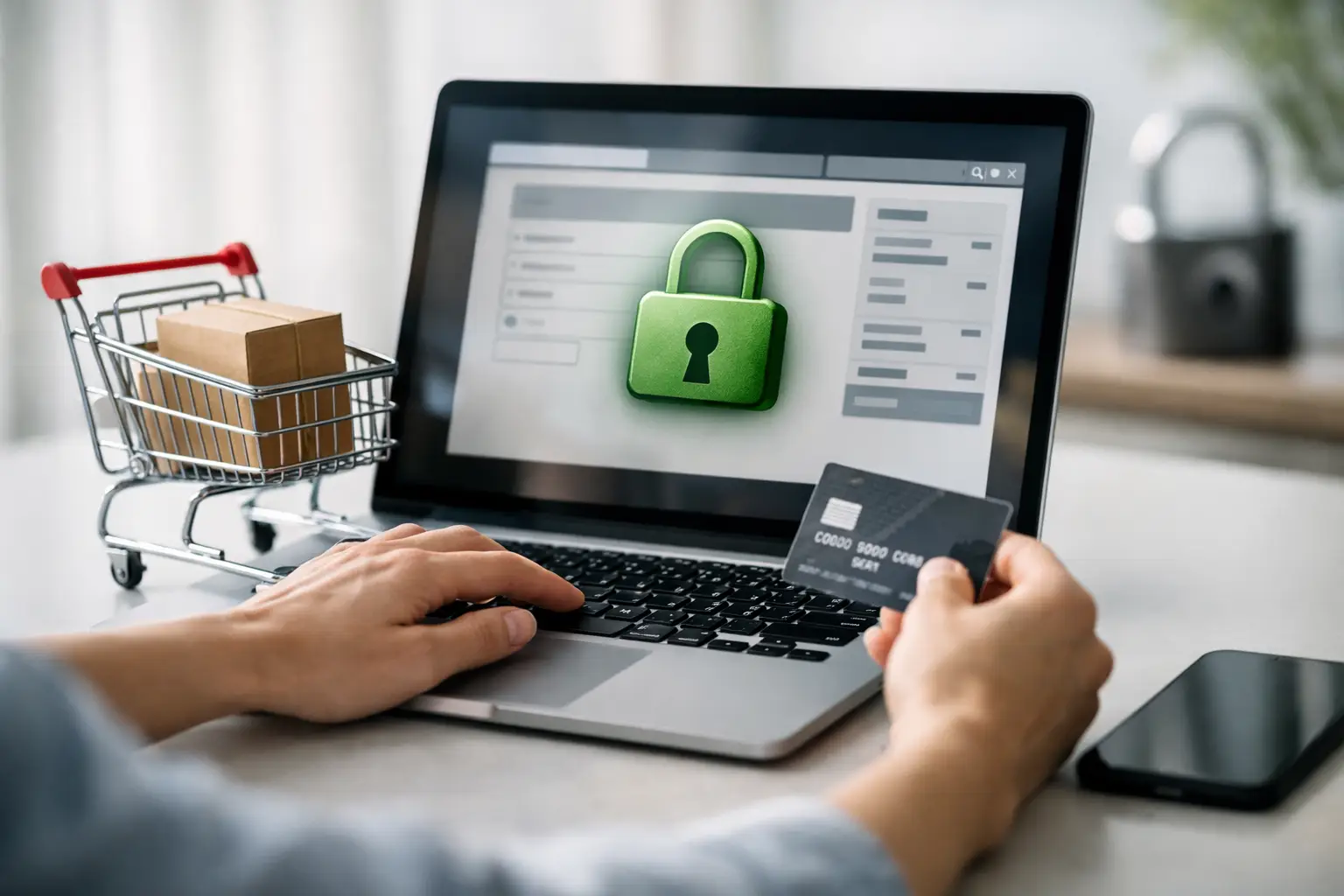
You can spot a great deal in seconds. Deciding whether a site deserves your card number takes a little more care. That is why a secure checkout shopping website matters so much – not just for protecting your payment, but for making the whole buying experience feel easier, faster, and more trustworthy from cart to confirmation.
For shoppers, checkout is the moment of truth. You may love the price, the product, and the promise of fast shipping, but if the payment page feels questionable, most of that confidence disappears. A secure shopping experience is not a bonus feature. It is the baseline for buying anything online, whether you are ordering home essentials, a last-minute gift, beauty products, toys, electronics, or a digital guide you want to download right away.
What makes a secure checkout shopping website feel trustworthy?
Security starts with technology, but shoppers experience it emotionally. You want to feel that your information is handled carefully, your payment is protected, and your order will not turn into a customer service headache later.
That trust usually comes from a combination of visible and invisible signals. The visible side includes familiar payment methods, a professional checkout layout, clear pricing, transparent return policies, and no strange redirects. The invisible side includes encryption, secure payment processing, fraud monitoring, and systems designed to keep your financial details out of the wrong hands.
When those pieces work together, checkout feels clean and confident. When they do not, shoppers hesitate. A cluttered page, confusing pricing, or requests for unnecessary personal information can make even a decent deal feel risky.
The real value of a secure checkout shopping website
A lot of people think checkout security is only about avoiding fraud. That is part of it, but the real value goes further. A secure checkout shopping website protects your money, your data, and your time.
If a retailer takes payment protection seriously, you are less likely to deal with unauthorized charges, compromised account details, or follow-up scams tied to a purchase. Just as important, a secure retailer usually pays attention to the rest of the customer experience too. Businesses that care about safe payments often care about order accuracy, responsive support, and fair return policies.
That does not mean every polished site is perfect, and it does not mean every small retailer is risky. It means trust is built through patterns. A store that invests in security, clear communication, and customer protection is usually trying to earn repeat business, not just one quick sale.
Signs shoppers should look for before paying
Before you complete an order, pause for a few seconds and check the basics. A secure checkout page should use HTTPS, show consistent branding, and display prices, taxes, and shipping costs clearly before payment is finalized. If you suddenly see surprise fees or a confusing final total, that is a reason to slow down.
Payment options also tell you a lot. Reputable sites usually offer recognized card processing or trusted digital payment methods rather than forcing shoppers into unusual payment routes. A checkout page should also ask only for the information it actually needs to process the order. If a store selling a simple item asks for excessive personal details, that can feel off for good reason.
Policies matter too. Clear return terms, shipping expectations, and contact information help separate serious retailers from fly-by-night sellers. Security is not only about encryption. It is also about accountability. If something goes wrong, you should know how to reach the company and what support looks like.
Why secure checkout matters even more for deal shoppers
Value shoppers are smart shoppers. They know a low price means nothing if the transaction goes sideways. In fact, discount-driven retail can make checkout trust even more important because shoppers are constantly comparing offers across many stores and marketplaces.
That is where a reliable retailer stands out. If the store offers vetted products, fair pricing, strong customer support, and a secure payment process, the shopping experience becomes simpler. You do not have to waste time wondering whether the discount is real, whether your card is safe, or whether you will be stuck if the item is not right.
There is always a trade-off in ecommerce. Massive marketplaces offer endless choice, but they can also feel impersonal and inconsistent depending on the seller. Smaller or curated stores may offer less volume, but often provide better oversight, stronger service, and a more reassuring purchase path. For many shoppers, especially parents, gift buyers, and busy households, that balance matters.
Secure checkout is about more than physical products
A secure checkout shopping website is just as important when you buy digital products. Downloadable eBooks, eGuides, planners, and self-improvement resources may cost less than a piece of furniture or a tech item, but they still involve your payment details and personal information.
Digital purchases also raise different expectations. Shoppers want immediate access, clear delivery instructions, and confidence that the transaction will go through without glitches. If checkout is sloppy, buyers may worry not only about payment security but also about whether they will receive the file they purchased.
That is why good digital retail needs the same trust signals as physical retail. Clean checkout flow, transparent order confirmation, secure processing, and accessible support all matter. Fast delivery is great, but confidence at checkout is what gets the order placed in the first place.
What retailers should get right at checkout
From the customer side, the goal is simple – feel safe and finish the order without friction. For retailers, delivering that experience takes real discipline.
First, checkout should be easy to understand. Shoppers should know exactly what they are buying, what it costs, and what happens next. Second, payment processing should be secure and up to date. Third, the site should respect the customer’s time. Too many fields, too many interruptions, or too many upsells at the payment stage can weaken trust.
There is also a balance to strike between security and convenience. Extra verification steps can protect buyers, but if checkout becomes clunky, cart abandonment goes up. The best stores keep protection high while making the process feel straightforward. That balance is one reason strong retailers earn loyal repeat customers.
For a customer-first brand, checkout is part of the service promise. If a business says shoppers are treated like VIPs, the payment experience should reflect that. It should feel polished, protected, and free of unnecessary stress. That is part of what makes a modern ecommerce store feel dependable rather than disposable.
Why trust drives repeat purchases
Most shoppers do not remember the technical details behind payment security. They remember how the transaction felt. Did checkout seem professional? Did the order confirmation arrive quickly? Did the charge appear correctly? Did the store follow through if there was a problem?
Those details shape whether someone comes back. A secure checkout experience reduces hesitation on the first order and builds loyalty for the second, third, and tenth. That is especially true for stores that serve broad household needs, seasonal shopping, gifts, and everyday deal browsing. When people find a retailer that offers value and peace of mind together, they tend to stick with it.
That is why trusted ecommerce brands put so much emphasis on secure payments, reliable fulfillment, and fair returns. It is not just about reducing risk. It is about giving shoppers one less reason to leave. At Hindez Marketplace, that customer-first mindset is part of what makes smart shopping feel safer and more personal.
The smartest way to shop online
A good online deal should not come with a side of doubt. The smartest shoppers know that price matters, but checkout confidence matters too. When a store combines secure payments, clear policies, real support, and honest value, buying online feels less like a gamble and more like a smart everyday habit.
So the next time you fill your cart, pay attention to the checkout as much as the discount. A secure experience is not just there to protect your card. It helps protect your time, your trust, and your ability to shop with confidence.
Was this article helpful?
Yes
No







Leave a comment