-
Shop
- Advanced Technologies
- Auto
- Bags
- Bathroom
- Best Sellers
- Bottoms
- Car Accessories
- Christmas Collection
- Clothing & Accessories
- Costumes & Accessories
- Dating & Social Confidence
- Dating & Social Skills
- Digital-Resources
- AI Skills
- Budgeting & Saving
- Car Buying & Ownership
- Cozy Feast Collection
- Emotional Intelligence
- Entrepreneurship & Business Growth
- Financial Education
- Financial Independence
- Financial Mindset & Psychology
- Goal Setting
- Home Styling & Organization
- Leadership
- Mindfulness
- Mindset
- Motivation
- Nutrition & Healthy Eating
- Parenting & Child Development
- Pet Lifestyle & Wellness
- Positive Thinking
- Productivity
- Self Confidence
- Sleep Improvement
- Stress Management & Relaxation
- Travel Planning
- Yoga & Mind-Body Practices
- DIY Kits
- Dresses
- Education & Learning
- Family & Parenting
- Fashion
- Fashion Accessories
- Fitness & Yoga Guides
- Furniture
- Gadgets
- Halloween
- Halloween Guides & Inspiration
- Haunted Candles
- Health & Beauty
- Home & Garden
- Home Supplies
- Independence Day Baby Products
- Independence Day Indoor Decor
- Independence Day Outdoor Decor
- Independence Day Pet Products
- Kids & Babies
- Kids & Babies
- Kitchen
- Lighting
- Parenting Guides Collection
- Party Supplies
- Patio, Lawn & Garden
- Personal Growth
- Pet Care
- Pet Supplies
- Pets
- Phone Cases
- Road Trip Accessories
- Scary Masks
- Shoes
- Skirts
- Spooky Glasses
- Spooky Tableware
- Sport
- Sport & Outdoors
- Storage & Organization
- Super Deals
- Swimwear
- Thanksgiving Digital Collection
- AI & Tech-Enhanced Thanksgiving
- Budgeting & Smart Shopping
- Eco-Friendly & Sustainable Thanksgiving
- Family & Kids
- Gift Ideas Guides
- Gratitude & Mindfulness
- History & Meaning
- Hosting & Planning
- Leftovers & Storage
- Pets & Thanksgiving
- Social Media Captions & Ideas
- Thanksgiving DIY Ideas
- Thanksgiving Recipes
- Thanksgiving Products
- Tools & Equipment
- Tops & Shirts
- Travel
- Wealth
- Women’s Wellness & Lifestyle
- YouTube Shorts Best-Sellers
Marketplace vs Department Store Explained

You find a lamp, a kids’ learning toy, a skincare set, and a last-minute birthday gift in one shopping session. Great. Then the real question shows up: are you buying from a marketplace or a department store, and does it change what happens after you click Buy Now? In the marketplace vs department store conversation, that detail matters more than most shoppers realize.
At a glance, both models promise variety and convenience. Both can offer deals. Both can carry everything from home goods to beauty, electronics, apparel, and giftable finds. But the way they operate behind the scenes affects pricing consistency, product vetting, shipping speed, return simplicity, and how confident you feel when entering your payment details.
Marketplace vs department store: what’s the difference?
A marketplace is a retail platform where multiple third-party sellers list products for sale. The platform may handle some parts of the experience, such as payments or traffic, but inventory often comes from many separate merchants. That means two similar items can come from two very different sellers with different standards, shipping times, and return policies.
A department store, by contrast, traditionally buys or manages inventory under one retail brand and presents it as a single shopping destination. Even when the assortment is broad, the experience is more centralized. Pricing, merchandising, customer service, and returns usually follow one store standard instead of many individual seller rules.
Online retail has blurred these lines. Some businesses now operate as a hybrid, combining marketplace-style range with department-store-style curation and customer protection. For shoppers, that can be the sweet spot, but only if the retailer actually takes responsibility for quality, value, and service.
Why the marketplace vs department store choice affects your checkout
If your main goal is selection at any cost, a pure marketplace can feel exciting. There are endless listings, endless price points, and a constant stream of new products. That works well when you know exactly what you want and you’re comfortable sorting through seller differences on your own.
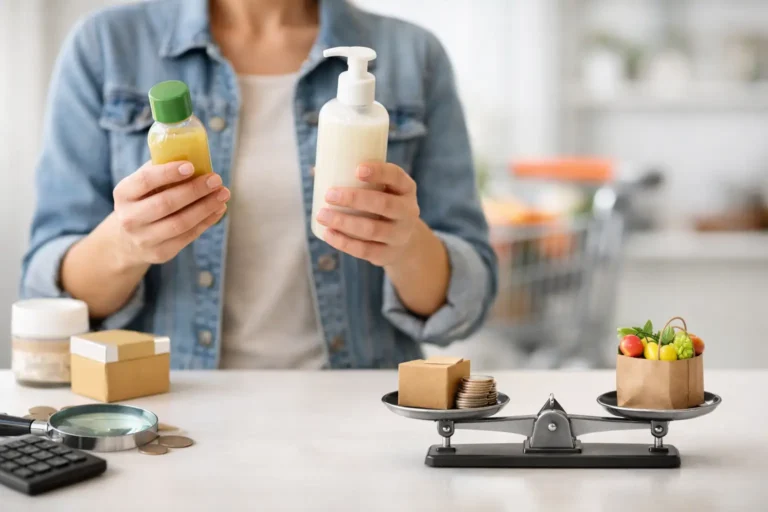
But quantity alone does not equal a better shopping experience. A huge marketplace often pushes more work onto the customer. You compare duplicate listings, read through uneven reviews, check seller ratings, scan shipping windows, and look for return policy fine print. The low price that catches your eye may not look as great once delayed delivery, confusing support, or surprise fees enter the picture.
A department store model tends to reduce that friction. Instead of asking shoppers to act like investigators, it offers a more controlled environment. Products are selected within a retail strategy, not simply uploaded by anyone who wants visibility. That usually leads to a cleaner buying experience, especially for busy households, parents, and gift shoppers who want to save time as much as money.
Price isn’t the whole story
People often assume marketplaces are always cheaper. Sometimes they are. When dozens of sellers compete on the same product, prices can drop fast. That’s the upside.
The downside is volatility. Pricing can swing wildly based on seller behavior, demand spikes, or poor-quality copycat listings. You may also run into price gouging on trending items, seasonal products, or emergency-use goods. A low list price can hide weaker packaging, slower fulfillment, or a seller that disappears when something goes wrong.
Department stores are often seen as more stable on price, but not always the cheapest at first glance. What they can offer instead is a more reliable value equation: curated products, predictable promotions, easier returns, and fewer unpleasant surprises. For a lot of shoppers, that saves more money in the long run than chasing the absolute lowest number on the page.
If a retailer combines strong discounts with vetting and customer-first service, that can be an even better deal than a giant open marketplace. That’s especially true when you’re shopping across categories and want confidence, not just a bargain headline.
Trust looks different in each model
Trust is where marketplace vs department store becomes less about retail theory and more about real life.
On a marketplace, trust is distributed. You may trust the platform’s payment system but still need to evaluate each seller. One order goes smoothly. The next comes from a merchant with slower response times, unclear product sourcing, or a return process that feels like a maze. That inconsistency is the trade-off for wider seller access.
In a department store model, trust is more centralized. The store’s name stands behind the experience, so the brand has more reason to protect consistency. That doesn’t guarantee perfection, but it usually means clearer standards for product selection, customer support, checkout security, and post-purchase care.
For online shoppers, that difference matters most in categories where quality and authenticity are hard to judge from photos alone. Jewelry, beauty, small electronics, wellness items, and gift purchases all carry a bit more risk if the seller relationship is unclear. When a retailer has already vetted what it sells, the shopper carries less of that burden.
Shipping and returns can make or break the deal
A lot of online purchases feel smart right up until the tracking email arrives.
Marketplaces often rely on multiple shipping sources, which means your order may arrive in separate packages on different dates. One item ships fast, another stalls, and a third turns into a customer service headache because the seller’s warehouse timeline didn’t match the listing. For shoppers ordering for birthdays, holidays, school needs, or household essentials, that unpredictability can be a real problem.
Department stores usually offer a more unified shipping experience because inventory and fulfillment are managed under a tighter system. That can translate into faster delivery windows, fewer surprises, and less confusion if something needs to be exchanged or returned.
Returns may be the biggest dividing line of all. In a marketplace, every seller can have different rules. Some are easy to work with. Some are not. A department store is more likely to offer one straightforward policy across the site. That’s not glamorous, but it is one of the strongest reasons shoppers come back.
When a retailer adds free returns and secure checkout to that experience, it removes two of the biggest reasons customers hesitate at checkout. That is not just good service. It’s smart retail.
Selection: broad vs curated
A marketplace usually wins on sheer volume. If your only metric is how many listings exist, the marketplace model has the edge.
Still, shoppers do not always want more listings. Often, they want better choices. A department store approach narrows the field and makes browsing easier. Instead of scrolling through pages of nearly identical products from unknown sellers, you get a more organized assortment built around what people actually want to buy.
This is especially useful for shoppers buying across lifestyle categories. Maybe you’re picking up home décor, a personal care item, a toy, and a practical digital guide in one stop. In that moment, curated variety is more helpful than unlimited clutter.
That is where modern hybrid retailers can stand out. Hindez Marketplace, for example, leans into broad selection while keeping the department-store mindset of vetted value, fast USA shipping, secure payments, and easy returns. For customers who want deals without feeling like they’re gambling on every order, that model makes sense.
Which shopping model is better?
It depends on how you shop.
If you enjoy bargain hunting, comparing seller options, and spending extra time researching listings, a marketplace may work well for you. It can be useful for niche products or hard-to-find items where broad seller access is the main advantage.
If you want confidence, convenience, and a more consistent experience, a department store model is often the better fit. It tends to work especially well for everyday shopping, gift buying, family purchases, and impulse buys where trust and speed matter.
For many shoppers, the best answer is not one or the other. It’s a retailer that combines marketplace variety with department-store accountability. That’s where online shopping starts to feel less chaotic and more personal.
How to shop smarter in the marketplace vs department store debate
The smartest shoppers look beyond the product photo and ask a few practical questions. Who is standing behind the sale? Is the pricing stable and fair? Are shipping timelines clear? Is the checkout secure? If the item disappoints, will returning it be simple or stressful?
Those questions matter more than a flashy discount badge. They reveal whether you’re getting real value or just a tempting listing.
Online retail is full of choices, and that is a good thing. But more choice only helps when the experience still feels dependable. The best stores understand that shoppers do not just want options. They want protection, speed, value, and the confidence that if anything goes sideways, someone will make it right.
That’s the standard worth shopping for.
Was this article helpful?
Yes
No






Leave a comment