-
Shop
- Advanced Technologies
- Auto
- Bags
- Bathroom
- Best Sellers
- Bottoms
- Car Accessories
- Christmas Collection
- Clothing & Accessories
- Costumes & Accessories
- Dating & Social Confidence
- Dating & Social Skills
- Digital-Resources
- AI Skills
- Budgeting & Saving
- Car Buying & Ownership
- Cozy Feast Collection
- Emotional Intelligence
- Entrepreneurship & Business Growth
- Financial Education
- Financial Independence
- Financial Mindset & Psychology
- Goal Setting
- Home Styling & Organization
- Leadership
- Mindfulness
- Mindset
- Motivation
- Nutrition & Healthy Eating
- Parenting & Child Development
- Pet Lifestyle & Wellness
- Positive Thinking
- Productivity
- Self Confidence
- Sleep Improvement
- Stress Management & Relaxation
- Travel Planning
- Yoga & Mind-Body Practices
- DIY Kits
- Dresses
- Education & Learning
- Family & Parenting
- Fashion
- Fashion Accessories
- Fitness & Yoga Guides
- Furniture
- Gadgets
- Halloween
- Halloween Guides & Inspiration
- Haunted Candles
- Health & Beauty
- Home & Garden
- Home Supplies
- Independence Day Baby Products
- Independence Day Indoor Decor
- Independence Day Outdoor Decor
- Independence Day Pet Products
- Kids & Babies
- Kids & Babies
- Kitchen
- Lighting
- Parenting Guides Collection
- Party Supplies
- Patio, Lawn & Garden
- Personal Growth
- Pet Care
- Pet Supplies
- Pets
- Phone Cases
- Road Trip Accessories
- Scary Masks
- Shoes
- Skirts
- Spooky Glasses
- Spooky Tableware
- Sport
- Sport & Outdoors
- Storage & Organization
- Super Deals
- Swimwear
- Thanksgiving Digital Collection
- AI & Tech-Enhanced Thanksgiving
- Budgeting & Smart Shopping
- Eco-Friendly & Sustainable Thanksgiving
- Family & Kids
- Gift Ideas Guides
- Gratitude & Mindfulness
- History & Meaning
- Hosting & Planning
- Leftovers & Storage
- Pets & Thanksgiving
- Social Media Captions & Ideas
- Thanksgiving DIY Ideas
- Thanksgiving Recipes
- Thanksgiving Products
- Tools & Equipment
- Tops & Shirts
- Travel
- Wealth
- Women’s Wellness & Lifestyle
- YouTube Shorts Best-Sellers
What Makes Online Checkout Safe?
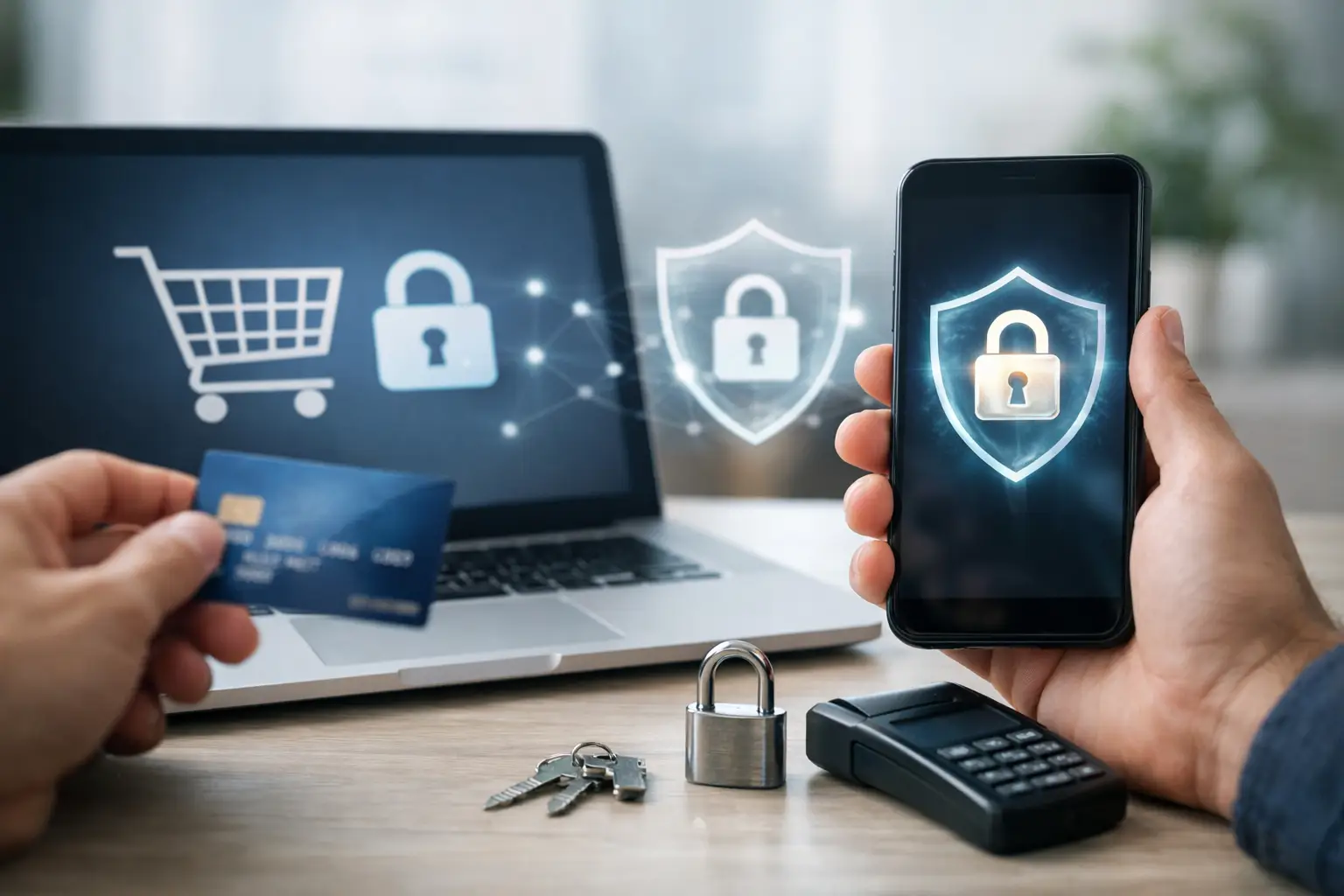
You spot a great deal, add it to cart, and get all the way to checkout – then that little pause kicks in. Is this payment page actually secure? That question matters because what makes online checkout safe is not just one lock icon or one reassuring phrase. It is a stack of protections working together to guard your card details, personal information, and peace of mind.
For shoppers, safe checkout should feel simple. Behind the scenes, though, there is a lot happening in a few seconds. Payment data is encrypted, fraud signals are checked, and the store’s systems work to confirm that the transaction is legitimate without making the process frustrating. When those layers are done right, you get the best of both worlds – fast checkout and real protection.
What makes online checkout safe for shoppers
A secure checkout starts with encrypted data. When you enter your payment details, that information should be scrambled while it moves between your device, the website, and the payment processor. That is what keeps sensitive data from being easily intercepted.
You will often see this reflected in a secure website address that begins with HTTPS. That is a good sign, but it is only the beginning. HTTPS protects the connection, not the entire shopping experience. A store can have HTTPS and still offer a poor checkout setup if its payment handling, fraud controls, or account protections are weak.
A safer checkout also relies on trusted payment processing. Many online stores do not directly store your full card number at all. Instead, a payment provider handles the transaction using secure systems built for that purpose. This reduces exposure and helps contain risk if something goes wrong elsewhere.
Then there is identity verification. Sometimes a bank or card provider asks for an extra step, such as a one-time code or confirmation in a banking app. It can add a few seconds, and yes, sometimes it feels annoying. But that extra checkpoint is often one of the clearest signs that the system is trying to protect you from unauthorized use.
The security features that matter most
Not every trust signal carries the same weight. Some are helpful marketing cues, while others are the real foundation of safe checkout.
Encryption is non-negotiable. If a store is not encrypting data in transit, that is a deal breaker. Secure tokenization is another major piece. Instead of passing around your actual card number repeatedly, the system can use a substitute value that is useless to thieves if intercepted.
Fraud detection tools also do serious work in the background. These systems look for suspicious behavior such as mismatched billing details, unusual order size, rapid repeat attempts, or a shipping address that does not fit the customer profile. Good fraud screening protects both the shopper and the merchant. The trade-off is that legitimate orders can occasionally get flagged, especially if you are sending a gift, using a new card, or ordering while traveling. That does not always mean the store is difficult – sometimes it means the safeguards are active.
Device and account protection matter too. If you create an account on a retail site, your password becomes part of checkout security. Weak, reused passwords can undermine an otherwise safe payment process. That is why secure stores often encourage strong passwords, account alerts, and sometimes multi-factor authentication.
What makes online checkout safe beyond the payment form
A lot of shoppers focus on the box where they type in a card number. Fair enough. But what makes online checkout safe goes beyond the payment form itself.
A trustworthy retailer pays attention to the whole customer experience. Clear product information lowers the chance of bait-and-switch problems. Transparent pricing helps shoppers avoid hidden charges. Easy-to-find return policies and customer service details show that the business expects to stand behind the sale.
This part is easy to overlook, but it matters. Scam sites can copy the look of legitimate stores while cutting corners on support, fulfillment, and consumer protection. A safe checkout page on a dishonest website is still not a safe shopping experience. Security is technical, but trust is operational too.
That is why shoppers should look for signs of consistency. Does the store explain shipping timelines clearly? Are return terms straightforward? Is the branding consistent from browsing to payment? If a site feels rushed, vague, or stitched together, listen to that instinct.
Red flags that should stop you cold
Some warning signs are obvious, and some are subtle. If a website has spelling errors all over the checkout page, pushes strange payment methods only, or creates intense urgency with little real product detail, those are reasons to step back.
Another red flag is when a retailer asks for information that does not make sense for the purchase. A normal checkout may ask for your name, shipping address, billing address, email, and payment details. It should not ask for highly sensitive personal data unrelated to the order.
Be cautious with sites that offer prices far below normal market value with no explanation. Great deals exist, and value shopping is smart. But when the discount looks impossible, the risk goes up. Safe ecommerce is built on value and trust together, not just a flashy number.
If the checkout page redirects you oddly, loads poorly, or looks different from the rest of the site in a suspicious way, pause before entering anything. Sometimes that is harmless. Sometimes it is a sign of a weak setup or a compromised page.
How good retailers balance safety and convenience
Shoppers want fast checkout. They also want protection. The best online stores know this is a balancing act.
Too few security steps can expose customers to fraud. Too many can create abandoned carts and frustration. The strongest checkout experiences are the ones that apply security intelligently. Returning customers may move through faster because their activity looks familiar. Higher-risk orders may trigger extra checks. That flexible approach helps keep the buying process smooth without treating every transaction the same.
This is where a customer-first retailer stands out. Safe checkout is not about making shoppers jump through hoops just to place an order. It is about using smart systems, secure payment handling, and clear policies so customers can buy with confidence and get on with their day.
For a modern marketplace with a broad range of products and digital purchases, that balance is especially important. Physical goods, gift items, and instant downloads all create different risk patterns. A well-run store adjusts for that behind the scenes while keeping the front-end experience clean and reassuring.
How to shop smarter on any checkout page
Even the safest store cannot control everything on the shopper’s side. A few habits make a real difference.
Use strong, unique passwords for shopping accounts. Avoid checking out over public Wi-Fi when possible, especially for larger purchases. Keep your device and browser updated. Review your order total, shipping details, and billing information before submitting payment.
It is also smart to use payment methods that offer fraud monitoring and dispute support. Credit cards often provide stronger consumer protection than some debit transactions. Digital wallets can add another layer by limiting how often your full card details are shared.
And keep an eye on confirmation emails and account alerts after purchase. Fast awareness is part of safe shopping. If something looks off, you want to catch it quickly.
Why trust matters as much as technology
The best answer to what makes online checkout safe is not just encryption, fraud filters, or verification prompts. It is a retailer’s overall commitment to protecting the customer.
That means secure systems, yes, but also honest pricing, clear policies, reliable support, and a shopping experience built around confidence. For value-conscious shoppers, that combination matters. Saving money feels good. Saving money while knowing your payment and purchase are protected feels even better.
At Hindez Marketplace, that customer-first standard is part of the promise – secure payments, vetted products, free returns, and a shopping experience designed to feel easy, dependable, and worth coming back to.
When a store takes checkout security seriously, you can focus less on second-guessing the payment screen and more on finding deals you actually feel good about buying.
Was this article helpful?
Yes
No







Leave a comment